
DIY Garage Door Maintenance: Tips for Keeping Your Doors in Top Shape


Understanding the Basics of Garage Door Maintenance
Your garage door is an essential part of your home, providing security and convenience. However, like any mechanical system, it requires regular maintenance to ensure it functions smoothly and safely. By performing some basic DIY garage door maintenance, you can extend the life of your door and avoid costly repairs.
Before you start, it’s crucial to familiarize yourself with the components of your garage door system. The main parts include the springs, rollers, tracks, and the opener. Regularly checking these components can help you spot potential issues early. Remember, safety is key, so always disconnect the power to your garage door opener before starting any maintenance work.
Inspecting and Maintaining Garage Door Springs
Garage door springs are under high tension and should be handled with care. Inspect them for signs of wear such as rust, gaps, or fraying. If you notice any damage, it's best to call a professional, as attempting to repair or replace springs on your own can be dangerous.
To keep your springs in good condition, apply a light coat of lubricant twice a year. This helps to reduce friction and prevents rust. Additionally, test the door's balance by disconnecting the opener and manually lifting the door halfway. If it stays in place, your springs are likely balanced; if not, they may need adjustment.
Cleaning and Lubricating Tracks and Rollers
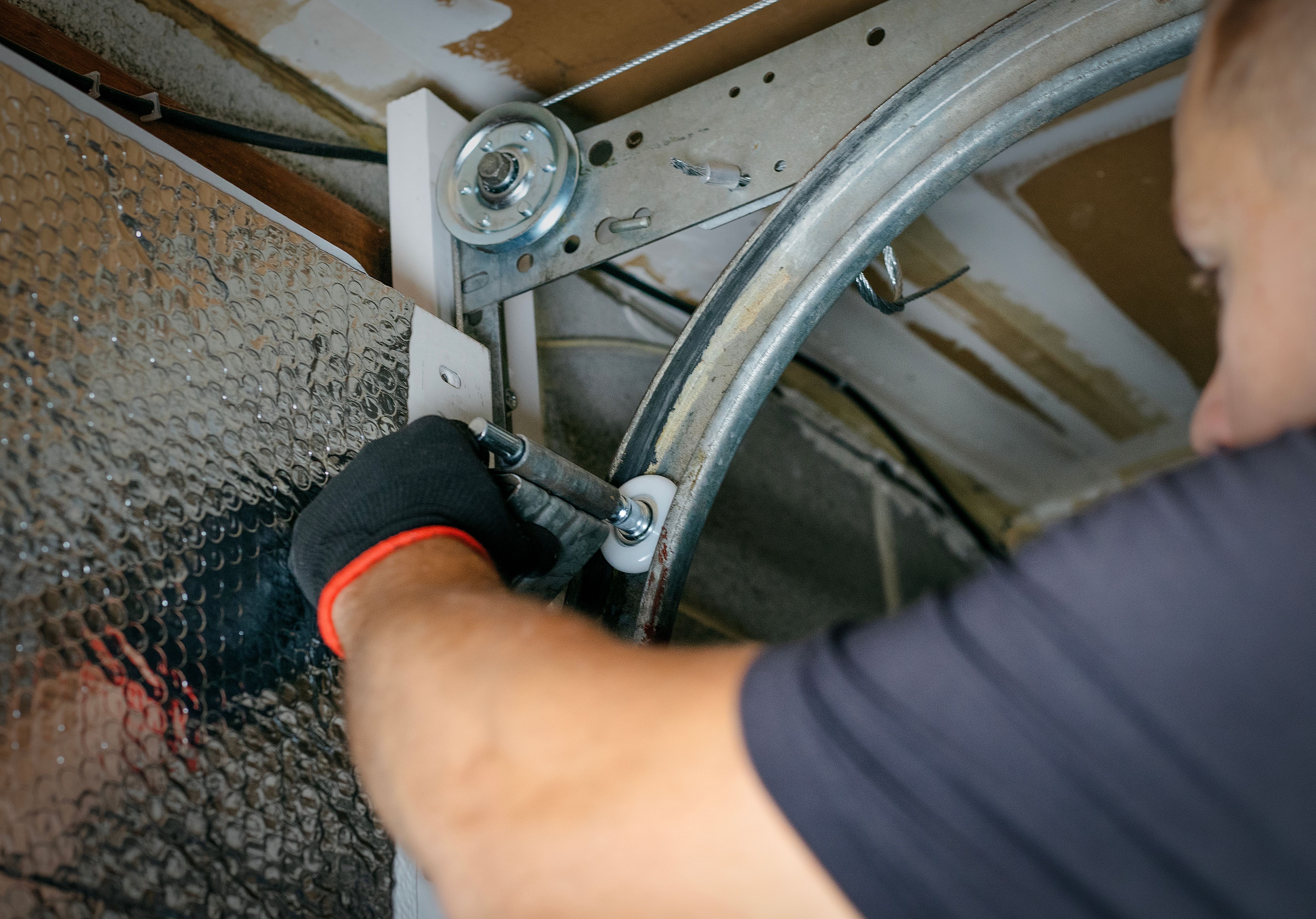
The tracks and rollers play a vital role in the smooth operation of your garage door. Over time, dirt and debris can accumulate, causing the door to become noisy or even jam. Regularly cleaning the tracks with a damp cloth and mild cleaner will prevent buildup and ensure smooth operation.
Once clean, apply a silicone-based lubricant to the rollers and tracks. Avoid using grease, as it can attract more dirt and debris. Ensure that the rollers are moving smoothly within the tracks without any hindrance.
Checking the Garage Door Opener
The garage door opener is the powerhouse behind your door’s operation. Begin by testing the auto-reverse feature, which is crucial for safety. Place a small object in the door’s path and close it. If the door doesn’t reverse after contact, adjust the opener’s settings or contact a professional for assistance.
Additionally, examine the opener's components, such as the chain or belt, for any signs of wear or loosening. Tighten any loose parts and apply lubricant to the moving parts to ensure smooth operation. Consider replacing the batteries in the remote control if the door isn’t responding as it should.
Conclusion: Keeping Your Garage Door in Top Shape
Regular DIY maintenance can significantly enhance the lifespan and functionality of your garage door, saving you time and money in the long run. By inspecting and maintaining key components, such as springs, rollers, tracks, and the opener, you can ensure that your garage door remains in top shape.
Remember, while DIY maintenance is beneficial, don't hesitate to call a professional for complex repairs or if you’re unsure about any aspect of the maintenance process. With routine care and attention, your garage door will continue to provide security and convenience for years to come.